Kua Tau by Tainui Stephens

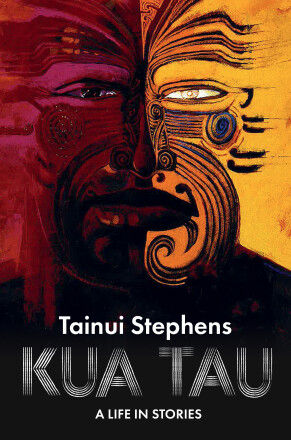
Tainui Stephens’s Kua Tau: A Life in Stories is a memoir assembled not through a single chronological account, but through encounters. People, places, conversations, family histories and working lives accumulate until a portrait emerges, not only of Stephens himself but of Māori life across a period of profound cultural change in Aotearoa.
Drawing heavily on essays originally written for E-Tangata, the collection moves from the political and cultural turbulence of the 1970s and 1980s into the more confident Māori world of the present. Stephens writes about filmmaking and broadcasting, reo and tikanga, racism, kapa haka, leadership, protest, whānau, grief and friendship. Yet the book rarely feels as though it is ticking through subjects. Its organising principle is memory, and memory arrives through people.
That becomes one of the collection’s great strengths. Stephens has spent much of his professional life telling other people’s stories, and he remains instinctively interested in those around him. Kaumātua, marae aunties, activists, artists and rangatahi enter these pages with their own presence. A meeting over whisky can reveal something about relationship and trust; memories of Dame Whina Cooper or members of the Māori Battalion sit alongside domestic recollections of children, parents and a family piano. Large history and private experience continually touch.
The family writing is especially affecting. Stephens considers the pressures experienced by his Māori father and Pākehā mother, including the racism directed at his father as a businessman and the complications that shaped their marriage. His later relationships with both parents are written with candour but little appetite for judgement. The result is a mature form of memoir, interested less in assigning blame than in understanding people once the child has grown old enough to see his parents as complicated adults.
Stephens’s career inevitably provides another thread. His work across Māori television, documentary and film places him close to some of the major shifts in Indigenous storytelling on screen. Yet Kua Tau avoids becoming an industry memoir crowded with achievements. What matters is the whakapapa of that work: who taught him, who opened doors, who challenged him, and what responsibilities come with gaining the ability to tell stories publicly.
The episodic structure can produce repetition, and readers wanting a conventional cradle-to-present autobiography may occasionally wish for firmer chronology. But the looseness is also appropriate. Stories circle back. People disappear and re-enter. Ideas about identity, tikanga and belonging acquire different meanings as Stephens ages.
There is considerable warmth here, but it is not nostalgia. Stephens understands the distance travelled through Māori reclamation while remaining alert to what has been lost, resisted or left unfinished. He writes from a position of greater peace, not complacency.
Kua Tau is therefore a fitting title. Stephens appears less concerned with arriving at a definitive version of himself than with recognising where he has come to rest. The collection’s generosity lies in its belief that a life is made legible through the stories we inherit, the ones we create, and, eventually, the ones we are prepared to give away.
Reviewer: Chris Reed
Bridget Williams Books