
Te Kaikaukau by Witi Ihimaera

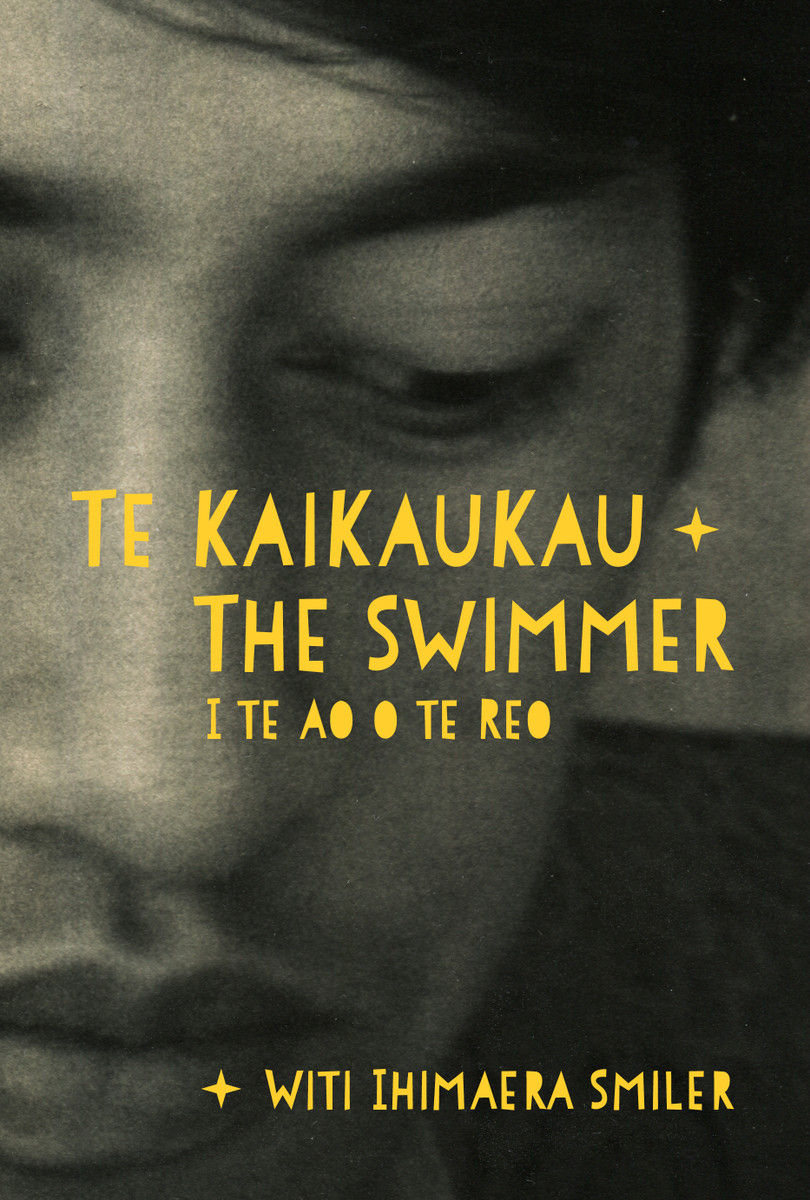
Witi Ihimaera’s Te Kaikaukau | The Swimmer is one of the most personal and compelling books of his distinguished career. At eighty years old, after decades spent shaping the literary landscape of Aotearoa, Ihimaera turns his attention inward, documenting a year of full immersion in te reo Māori at Te Wānanga Takiura. The result is far more than a memoir of language learning. It is a profound meditation on identity, inheritance, loss and reclamation.
The book follows Ihimaera’s journey through the challenges and triumphs of rumaki reo, charting the daily realities of returning to study later in life. Yet the narrative continually expands beyond the classroom. Memories of Waituhi, stories of whānau, reflections on diplomacy, literature and public life, and encounters with teachers and fellow students all weave together into a richly textured account of one man’s search for wholeness. The structure mirrors the rhythms of Māori oratory and storytelling, moving fluidly between past and present, personal experience and collective history.
What makes Te Kaikaukau particularly powerful is its honesty. Ihimaera writes openly about the shame, uncertainty and vulnerability that can accompany language loss. Despite his extraordinary achievements as a writer, he confronts the reality that much of his creative legacy was built in English rather than in the language of his ancestors. Rather than diminishing those accomplishments, this recognition deepens them, transforming the book into an exploration of what it means to spend a lifetime moving towards something that should have always been yours.
Language itself becomes both destination and vessel. Te reo Māori is presented not simply as a means of communication but as a living force that reconnects the author to whakapapa, whenua and wairua. The recurring image of swimming is particularly effective. Learning a language is portrayed as immersion, requiring courage, endurance and faith. At times the swimmer sinks beneath self-doubt; at others he finds himself carried forward by community, memory and determination.
The inclusion of whaikōrero, whakapuaki and whakataukī allows readers to witness the development of Ihimaera’s reo throughout the year. These moments provide authenticity and immediacy, demonstrating that language revitalisation is not an abstract ideal but a practical, ongoing process of effort and growth. The bilingual nature of the text also broadens its reach, inviting both fluent speakers and learners into the journey.
Beyond its autobiographical dimensions, Te Kaikaukau carries wider significance for contemporary Aotearoa. It speaks directly to the enduring impacts of colonisation, the intergenerational consequences of language loss and the remarkable resilience of Māori communities in restoring what was taken. Yet the book remains fundamentally hopeful. Ihimaera presents te reo not as something disappearing, but as something resurgent and alive.
Beautifully written and deeply moving, Te Kaikaukau stands as both a personal homecoming and a powerful contribution to the story of Māori language revitalisation. It is a book that will resonate with learners, speakers and anyone seeking to understand the transformative power of returning to one's roots.
Reviewer: Chris Reed
Auckland University Press


